4 Launch Sites
With four launch sites on Earth, we are well prepated for any adverse weather or geopolitical events. Rest assured there will be no delays to your flight

No-Fuss Medicals
There are over 2,000. medical practices around the globe registered with us. There's sure to be one near you.

Feel at Home
Our capsules are made from durable yet comfortable space-age materials. You will be comfortably ensconced in our bio-chambers for the duration of the flight.

Exciting Destinations
See the breathtaking sights of the red planet. Visit historical sites while you get away from it all.
1
Get a medical check from one of our registered providers
2
Fly to one of our launch sites at the scheduled time
3
Takeoff!
Baikonur Cosmodrome
Kazakhstan
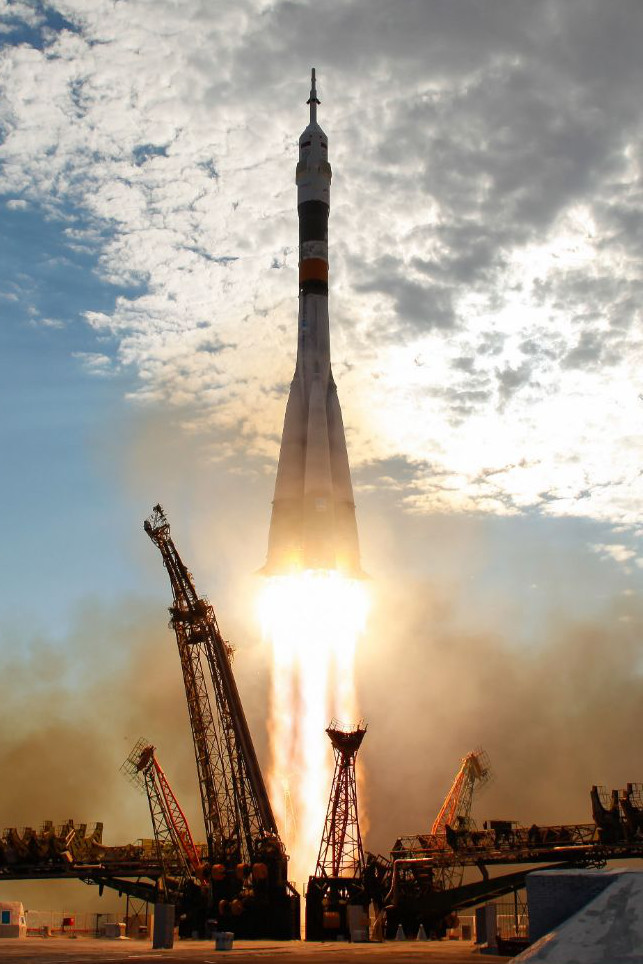
The former Soviet Union achieved many of the "firsts" on the road to human spaceflight from its spaceport at Baikonur.
These accomplishments included both the first orbital launch of a satellite, Sputnik, in 1957, and the first orbital launch of a human into space, Yuri Gagarin, in 1961.
Guiana Space Center
Kourou (French Guiana)
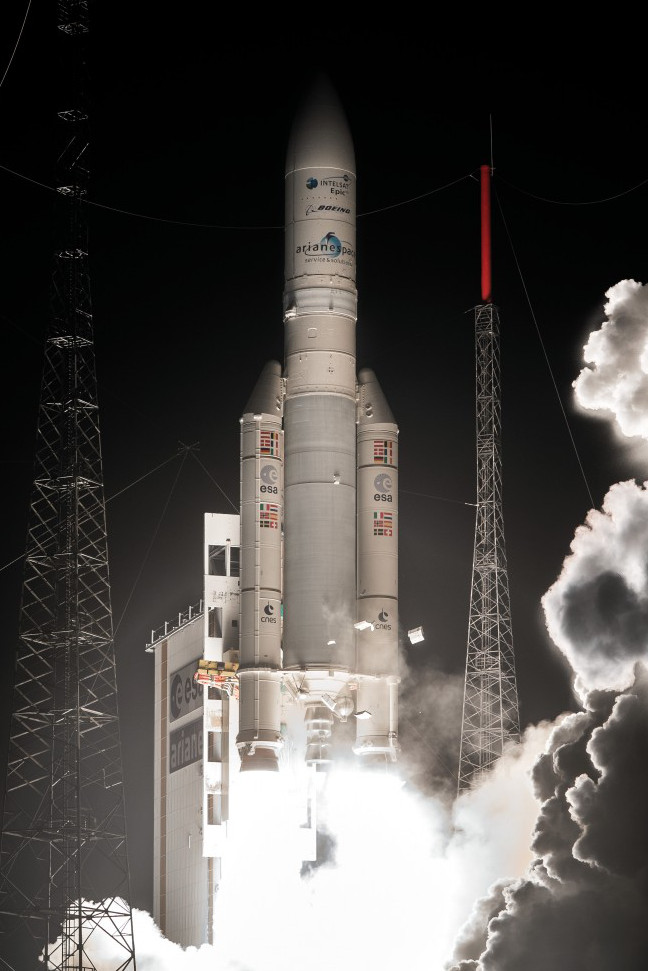
In 2002, ESA contracted with Roscosmos (the Russian state space agency) to purchase and launch Soyuz rockets from a purpose built launch pad at Kourou.
The program, known as Arianespace Soyuz, flies a Soyuz rocket specially modified to operate in the tropical conditions of Amazonia.
Satish Dhawan Space Center
India
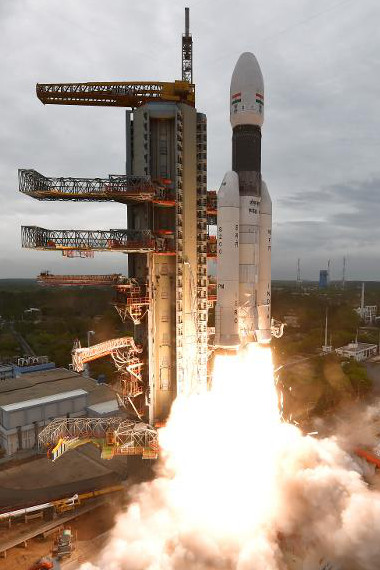
The Satish Dhawan Space Center became operational in 1971. It holds the record for the most satellites launched in a single year—104 payloads, mostly cubesats, in 2017.
The Indian Space Research Organization (ISRO) plans to hold its first manned launch in 2021.
Rocket Lab Launch Complex One
New Zealand
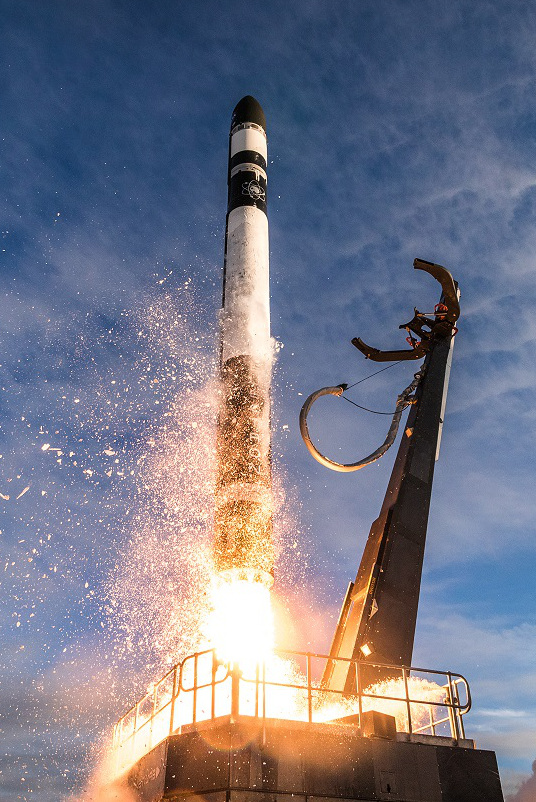
The first of its kind in the southern hemisphere, Rocket Lab's Launch Complex One (LC-1) is a new, privately-operated commercial spaceport.
The high-tech design of the complex includes rockets with carbon fiber bodies and 3D-printed engines. Rocket Lab is one of the newest companies to be launching rockets.
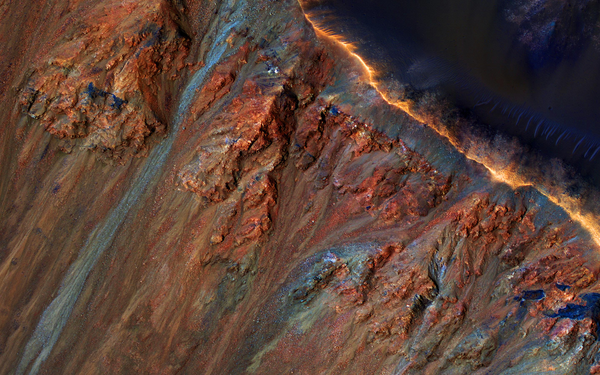
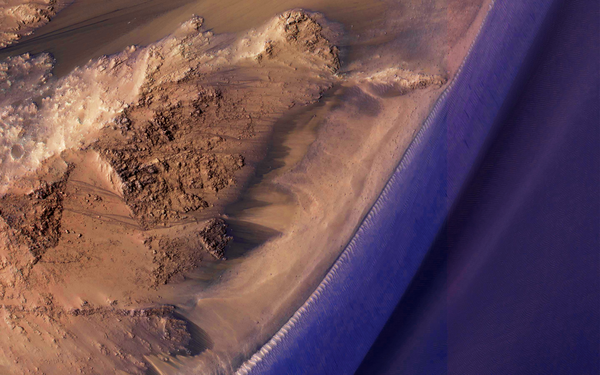
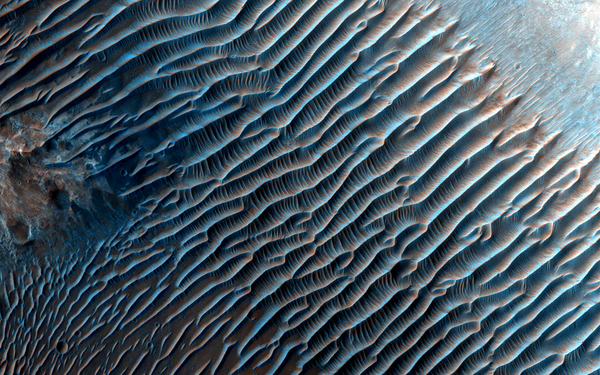
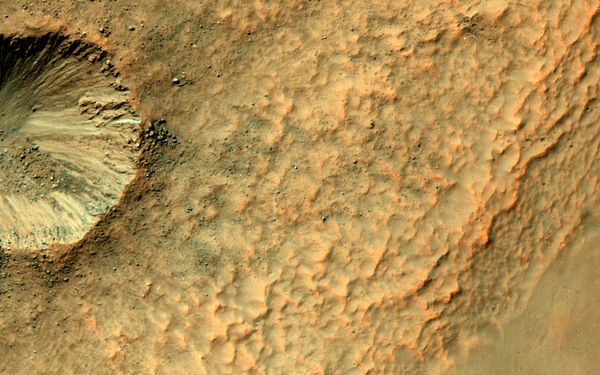
Olympus Mons
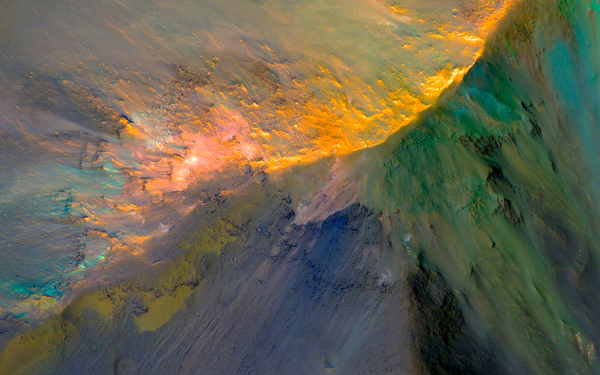
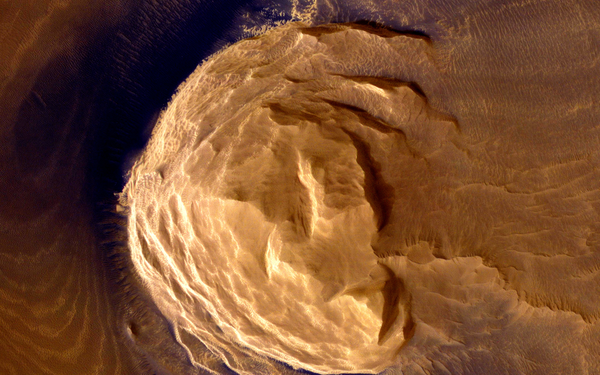
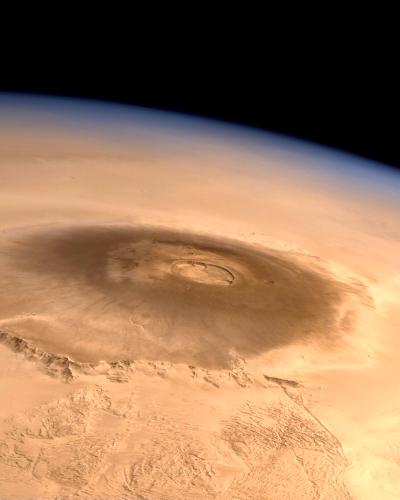
Olympus Mons is the most extreme volcano in the solar system. Located in the Tharsis volcanic region, it's about the same size as the state of Arizona. At 25 kilometers high, it is nearly three times that of Mount Everest.
Olympus Mons is a gigantic shield volcano, which was formed after lava slowly crawled down its slopes. This means that the mountain is probably easy to climb, as its average slope is only 5 percent. At its summit is a spectacular depression 85 kms wide, formed by magma chambers that lost lava and collapsed.
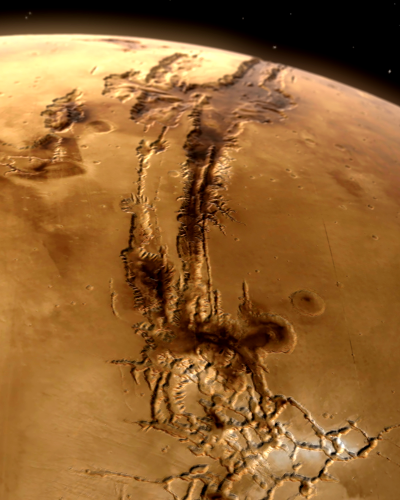
Valles Marineris
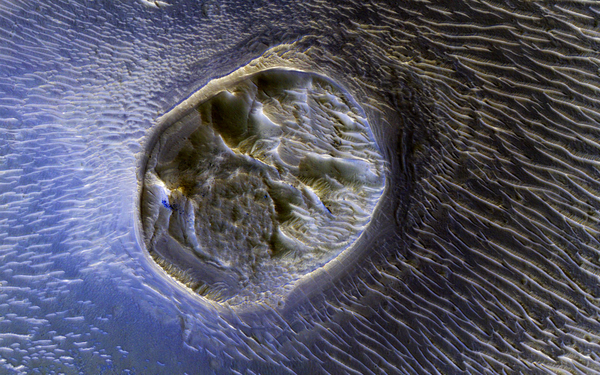
Mars not only hosts the largest volcano of the solar system, but also the largest canyon. Valles Marineris is roughly 1850 miles (3000 km) long, according to NASA. That's about four times longer than the Grand Canyon, which has a length of about 500 miles (800 km).
Researchers aren't sure how Valles Marineris came to be, but many suggest that when the Tharsis region was formed, it contributed to its growth. Lava moving through the volcanic region pushed the crust upward, breaking the crust into fractures in other regions which grew into Valles Marineris.
Gale Crater
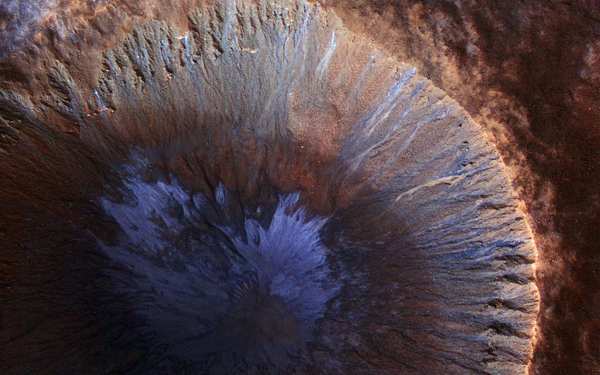
Made famous by the landing of the Curiosity rover in 2012, Gale Crater is host to extensive evidence of past water. Curiosity stumbled upon a streambed within weeks of landing, and found more extensive evidence of water throughout its journey along the crater floor. Curiosity is now summiting a nearby volcano called Mount Sharp (Aeolis Mons) and looking at the geological features in each of its strata.